


Spring notes from the Commons
The months covering the spring period, March, April and May were variable with cool and breezy conditions at the beginning and ending in a heat wave in May. April was particularly dry with plenty of sunshine. The following notes are a summary of the wildlife sightings over the spring, generally which Mark Clements or I have recorded.
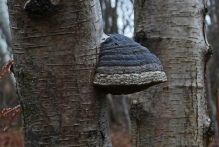
Two Grey Lag Geese were noted heading northwest (01 Mar) with a Red Kite heading east and Woodcock flushed from the marsh (02 Mar). Also seen this day were an Adder, two Grass Snakes, Small Tortoiseshell and Peacock butterflies. Thomas Wright also reported a Firecrest and four Red Kites. A Brimstone was present (05 Mar) and up to five Chiffchaffs were singing. Common Frog tadpoles were spotted (16 Mar). Two Kestrels and a Redwing were recorded (22 Mar) and Hoof Fungus was found on Silver Birch (28 Mar). This fungus was generally confined to Scotland but turned up in the west of the county in 2008 and has since spread throughout Norfolk. In a remarkable find, the fossil remains of the fungus turned up at Shropham proving it was present in the area 100,000 years ago.
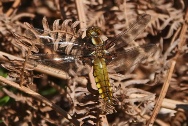
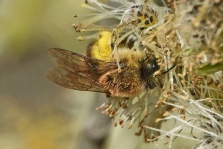
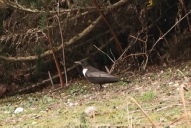
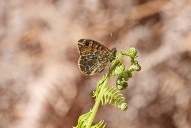
A Willow Warbler was reported by Richard Farrow (08 Apr). This species is becoming increasingly scarce in our area and there is evidence that there is a population shift to the north and west of the country. A bird that is only a passage migrant in Norfolk put in a brief appearance (09 Apr) on Pill-box Hill. It was a male Ring Ouzel (also known as the Mountain Blackbird), a rare, upland member of the thrush family. They have a distinctive white breast crescent and pale wing edges. Ring Ouzels are summer visitors, breeding in upland areas, having spent their winters in Spain and North Africa. Green-veined Whites and Orange-tip were also on the wing. A small solitary bee, known as the Early Colletes, which favours visiting ‘pussy willows’ was noted (13 Apr) by Nick Owens. This bee has in recent years done a reverse expansion to the Willow Warbler. Historically it was confined to North West England and North/South Wales, but national recording schemes have shown that the bee's range extends into new territories, including South East England. The first Norfolk record was 2015. Another insect that is expanding its range is the Large Tortoiseshell butterfly. It became regionally extinct in the UK in the 1960s but this year has been readmitted to the British list as it has recolonised southern counties and seems to be pushing north. One turned up on the (14 Apr), the third record in 10 years. A pair of Red-legged Partridges were present (16 Apr) and a Cream-spot Ladybird was found (21 Apr). An early Broad-bodied Chaser dragonfly was seen in its teneral phase ie freshly emerged state (24 Apr). This emergence is a good two weeks earlier than normal on this site. A Wall Brown butterfly was noted (25 Apr) and was the first record for six years. A Garden Warbler turned up the same day and was reported by Dave Billham. It was still present at the end of the month (30 Apr) along with a Willow Warbler and the first Green Hairstreak butterflies were also seen.
The first Swift of the year was noted (01 May) and Marc Moody reported a Wheatear. There was the start of a Painted Lady immigration (02 May) with 26 individuals passing south over the Common. The ‘Big Sit’ (09 May) produced 45 species, including notable sightings of a Turtle Dove and two Shelduck. The ‘Big Sit’ was organised by the North East Norfolk Bird Club (NENBC) and is where observers stay in one place and note as many bird species as possible between dawn and dusk. A Nightjar was heard ‘churring’ by Mike Stevenson (16 May) and a Reed Warbler was singing (22 May) when also that day a Hobby flew over. A Fox was spotted in the evening (28 May) and Burnet Companion moth seen (30 May) was the first sighting since 2003. A couple of Red-tipped Clearwing moths noted by Marc Moody (31 May) were a new species for the Common.